More
    Home Blog

    A Food Lover’s Guide to Dubrovnik: Discovering Traditional Dalmatian Cuisine

    0
    Dubrovnik food

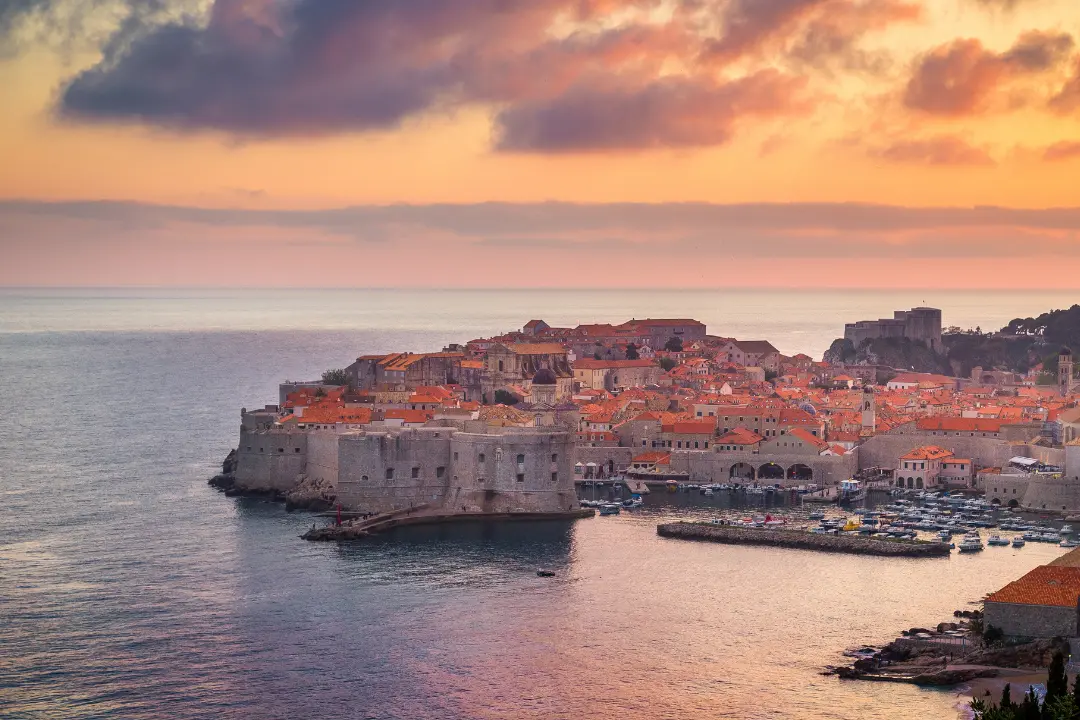
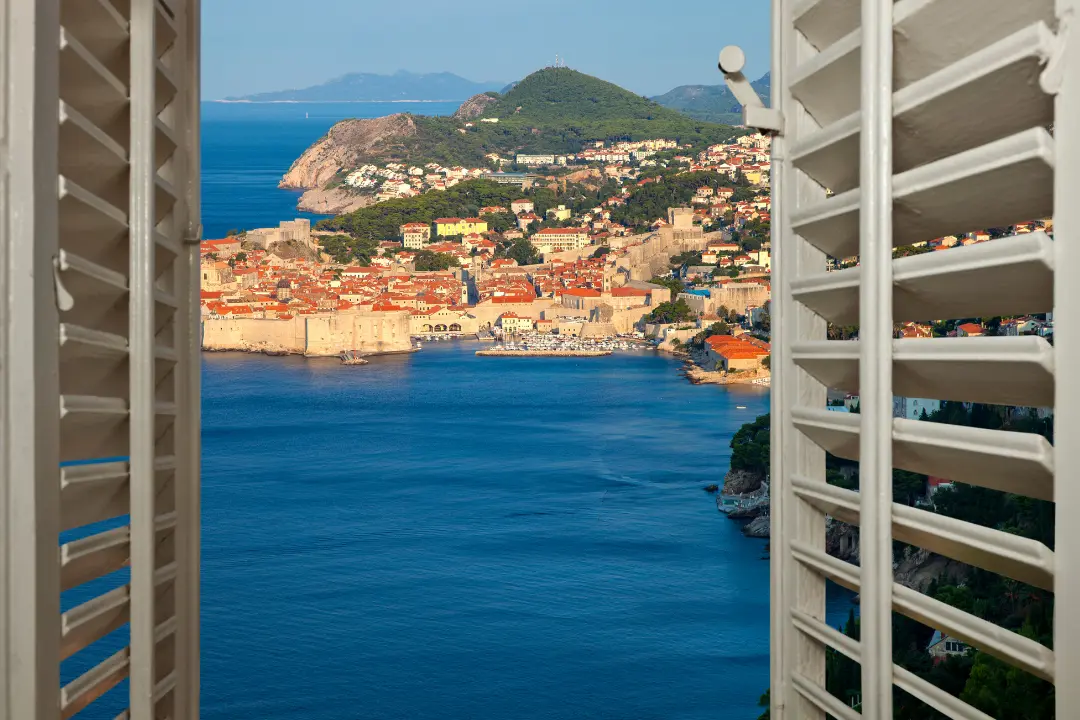
    Dubrovnik, the legendary “Pearl of the Adriatic,” enchants visitors not only with its mesmerizing Old Town and crystal-blue sea, but also with a culinary heritage that has been preserved for centuries. Local cuisine celebrates simplicity, fresh ingredients, and vibrant Mediterranean flavors. Exploring traditional food in Dubrovnik is one of the best ways to connect with the city’s history, culture, and warm hospitality.

    Seafood Fresh from the Adriatic

    No food adventure in Dubrovnik is complete without tasting black risotto (crni rižot). Prepared with cuttlefish or squid and enriched with their ink, it offers a rich, deep flavor that seafood enthusiasts immediately fall in love with. Many local taverns, known as konobas, serve this dish using recipes passed down through generations.

    Another refreshing coastal favorite is Octopus Salad. Made with tender octopus, high-quality local olive oil, garlic, and parsley, it is both healthy and delicious. Ideal for a light meal on a warm day, especially when enjoyed by the sea.

    If you prefer something warm and hearty, try brodet, a traditional fisherman’s stew where mixed fish are slowly cooked in a tomato-based sauce and served with creamy polenta.

    Comfort Food with a Touch of History

    For a taste of Dubrovnik’s festive traditions, pašticada is the ultimate choice. Beef is marinated for hours in vinegar and spices, then stewed with red wine, vegetables, and dried fruit. Pašticada is typically served during celebrations and family gatherings, accompanied by homemade gnocchi.

    Another dish with a unique story is šporki makaruli, literally “dirty macaroni.” This pasta with a rich meat sauce was historically served during the Feast of St. Blaise, the city’s patron saint, when everyone was invited to share a meal regardless of social status.

    Sweet Delights to End the Journey

    Dubrovnik’s most iconic dessert is rožata, a creamy custard similar to crème caramel but flavored with rose liqueur that gives it a distinctive aroma and elegance.

    You should also try arancini, candied orange peels that perfectly showcase the citrus fruits of Dalmatia, as well as mantala, a sweet made from grape must, walnuts, and spices, often enjoyed during autumn harvests.

    Taste Dubrovnik Like a Local

    The culinary experience goes far beyond what is served on the plate. Dubrovnik’s food reflects centuries of trade, maritime traditions, and local craftsmanship. Small family wineries, artisan olive oil producers, fishermen returning with the daily catch, and lively markets all contribute to the city’s vibrant gastronomy.

    Your Culinary Adventure Awaits

    If you are planning a visit, make food a central part of your journey. Wander through the narrow stone streets of the Old Town, stop by traditional konobas, join a local cooking class, or visit the green market at Gundulić Square. Embrace every opportunity to taste something new.

    Dubrovnik invites you to sit at its tables, share stories, and enjoy unforgettable flavors. Bring your curiosity and appetite, and let the city guide you through an authentic feast for the senses.

    Explore. Taste. Enjoy Dubrovnik like never before.

    How a Michelin Star Impacts Tourism in Dubrovnik

    0
    Dubrovnik restorani

    How a Michelin Star Impacts Tourism in Dubrovnik

    Dubrovnik, famously known as the “Pearl of the Adriatic,” draws thousands of visitors every year with its stunning medieval walls, old town charm, and dramatic coastline. In recent years, another magnet has emerged: a blossoming fine-dining and gastronomic reputation — especially with the award of a Michelin star to Restaurant 360.

    This article explores how a Michelin star influences tourism in Dubrovnik — through branding, visitor decisions, economic spillover, destination image, and challenges. If you’re managing tourism, hospitality, or marketing in Dubrovnik (or elsewhere), these lessons may be timely.

    What does a Michelin star mean — and where Dubrovnik stands

    Before assessing the impact, it’s useful to understand what a Michelin star symbolizes today. The Michelin Guide awards stars (1 to 3) based on consistency, quality of ingredients, mastery of technique, the chef’s personality, and value for money.

    For Croatia, Michelin’s involvement is relatively recent. The country’s first Michelin stars appeared in the 2018 list, and over time, more restaurants have been recognized or recommended.

    In Dubrovnik, Restaurant 360 is the city’s only Michelin-starred venue as of 2025.
    Several others in Dubrovnik hold Michelin recommendations (the “fork & spoon” sign) or Bib Gourmand designations.

    Securing even one Michelin star in a heritage destination like Dubrovnik creates a strong signal: the city can compete on world-class culinary terms, not just heritage or scenery.

    Branding and destination positioning

    1. Enhanced destination prestige

    A Michelin star attaches prestige not only to the restaurant but to the city itself. When travel writers, food bloggers, and media mention “the one-starred restaurant in Dubrovnik,” it elevates Dubrovnik’s image as a gourmet destination — not just a beach / heritage spot.

    Once Dubrovnik was included in the Michelin Guide’s cities list (for the Guide to “Main Cities of Europe”), that further amplified exposure in international gastronomic circles.

    2. Differentiation from competitors

    In the intense competition among Adriatic and Mediterranean tourism destinations (Dubrovnik, Split, Istria, islands, etc.), having a Michelin star gives Dubrovnik a point of differentiation. Some travelers choose destinations based on cuisine credentials; a star can tilt decisions.

    3. Marketing leverage

    Tourism boards, hotels, and travel agencies can leverage the Michelin star in marketing materials (“dine in a Michelin-starred restaurant on the walls of Dubrovnik”), social media, and promotional campaigns. That helps gear the destination toward “luxury gastronomic tourism.”

    Influence on visitor decision-making and behavior

    1. Attracting food-oriented travelers

    A segment of travelers — “foodies,” high culinary interest travelers — actively design trips around Michelin stars. For many, dining at Restaurant 360 becomes a “must-do” when visiting Dubrovnik, rather than just an afterthought.

    2. Lengthening stays

    When visitors prioritize exceptional dining, they may stay an extra night (or two) just to secure reservations, recover from jet lag, or enjoy a relaxed meal. This yields higher average length of stay (ALOS).

    3. Off-peak / shoulder season boost

    Fine dining tourism is less tied to seasonality than beach tourism. Even in shoulder months, travelers may choose Dubrovnik partly for its culinary appeal, smoothing visitor flows outside high summer.

    4. Higher per-visitor spending

    Michelin dining commands a premium. If a small share of visitors choose the star restaurant, their per-capita food and beverage spend is significantly higher. That spills into hotel food & beverage, wine, transfers, and local tours.

    5. Word of mouth & social proof

    When guests dine at a star restaurant, they share reviews, social media posts, and stories. That amplifies Dubrovnik’s foodie reputation ahead of future travelers.

    Economic spillover and local benefits

    1. Uplift for suppliers & local producers

    A Michelin restaurant sources high-quality ingredients: seafood, local agriculture, specialty items. That benefits local fishers, farmers, artisanal producers, and enhances supply chains.

    2. Growth of complementary businesses

    Nearby bars, wine shops, gourmet food stores, specialty markets, boutique hotels, and even cooking classes can grow around the fine dining ecosystem.

    3. Job creation and human capital

    Running a Michelin-level restaurant demands skilled chefs, sommeliers, service staff, logistics, and procurement. Locals gain opportunities and experience. Over time, these skills diffuse into the broader hospitality sector.

    4. Indirect tourism growth

    As food is part of the overall visitor experience, Michelin prestige helps boost broader tourism to Dubrovnik: more overnight stays, more demand for hotels, guides, cultural attractions, transportation, and local tours.

    5. Increasing average spend per visitor

    Higher spend in restaurants and associated services translates into a positive multiplier effect on the local economy.

    Challenges and potential downsides

    1. Exclusivity & accessibility

    A Michelin star restaurant is expensive by nature. Many ordinary tourists may feel excluded or unable to dine there, which can create a sense of elitism. If not balanced, the dining scene may appear inaccessible.

    2. Overreliance on one “anchor”

    With only one Michelin star in Dubrovnik, much depends on Restaurant 360 maintaining standards. If it loses the star, reputational impact could be negative.

    3. Capacity constraints & logistics

    Securing reservations can be difficult, especially in peak season. Tourists may feel frustrated if they can’t dine at the star restaurant, which can backfire on perception.

    4. Sustainability and overtourism pressures

    If the Michelin star draws crowds, pressure on the old city, infrastructure, and local environment intensifies. Dubrovnik already faces overtourism challenges; adding gastronomic tourism must be managed carefully.

    5. Maintaining authenticity

    If every place chases Michelin style, there is risk of homogenizing cuisine or losing local authenticity. Preserving local culinary identity alongside global expectations is a balance.

    Evidence & anecdotes from Dubrovnik

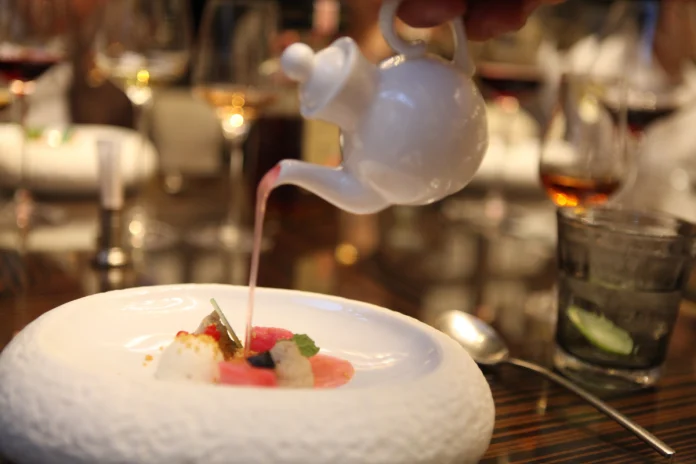
    • Restaurant 360: This is Dubrovnik’s one-star establishment, offering tasting menus along the medieval walls and harbor views.
    • Tripadvisor reviews note how 360 marries local Dalmatian heritage with modern gastronomic techniques.
    • Diners on Reddit emphasize that the views and location, sometimes on castle walls, are as integral to the experience as food. > “The views and the location are an integral part of the experience”
    • Dubrovnik’s tourism board announced proudly when 360 gained the star, and highlighted that 11 Dubrovnik restaurants also earned Michelin recommendations.
    • Local gastro guides list Dubrovnik among Croatian cities with a growing roster of Michelin-grade venues, helping shift the narrative from pure heritage to culinary destination.

    These local examples show that while a Michelin star is symbolic, its effects ripple across marketing, visitor expectations, and the local food ecosystem.

    Best practices & recommendations for Dubrovnik stakeholders

    To maximize the positive impact of Michelin-level dining on tourism, Dubrovnik stakeholders (tourism board, restaurants, hotels, marketing agencies) should consider:

    • Integrated marketing — feature the Michelin star prominently in destination branding, culinary travel campaigns, and cross-promotion with hotels and experiences.
    • Tour package bundling — package fine dining with walking tours, wine tasting, cooking workshops, or heritage excursions.
    • Reservation & ticketing infrastructure — help visitors secure reservations in advance (online booking, concierge support) to reduce frustration.
    • Support for emerging talent — encourage other restaurants to aim for Michelin recommendations by offering training, mentorship, chef exchanges, etc.
      Balance elite and accessible — maintain a spectrum of culinary offerings (from street food to star dining) to cater to all visitors.
    • Sustainable growth — monitor visitor volumes, avoid bottlenecks in peak times, protect heritage zones, manage demand to prevent overtourism.
    • Storytelling & content creation — generate high-quality content (photos, videos, chef profiles, behind-the-scenes) for PR, blogs, social media that tie Dubrovnik’s heritage and gastronomy together.

    A Michelin star in Dubrovnik — especially for Restaurant 360 — is more than just a culinary accolade. It functions as a powerful tourism lever: enhancing Dubrovnik’s prestige, drawing food-oriented travelers, increasing per-visitor spending, and anchoring a broader gastronomic ecosystem.

    While challenges exist — from ensuring accessibility to avoiding dependency on a single star — the strategic integration of this culinary asset into broader tourism planning can help Dubrovnik evolve into a truly world-class heritage + gastronomy destination.


    Why You Should Hire a Tour Guide in Dubrovnik

    0
    Tour guide Dubrovnik

    Dubrovnik, the “Pearl of the Adriatic,” is one of the most visited destinations in Europe — and for good reason. With its ancient city walls, marble streets, Baroque architecture, and sparkling blue sea, this UNESCO World Heritage Site captures the hearts of millions of visitors every year. Yet, to truly understand and appreciate its history, culture, and hidden beauty, nothing compares to exploring Dubrovnik with a professional tour guide.

    Whether you’re a first-time visitor or returning to rediscover the city, hiring a tour guide in Dubrovnik can transform your experience from ordinary sightseeing to an unforgettable journey through time and local life.

    1. Discover the Real Story Behind Dubrovnik’s Walls

    At first glance, Dubrovnik’s medieval walls look like a movie set — and indeed, they’ve been featured in many, from *Game of Thrones* to *Star Wars*. But these massive fortifications tell a story far deeper than any TV series.

    A local tour guide can bring these stones to life, revealing tales of courage, diplomacy, and survival that shaped Dubrovnik into one of the most powerful maritime republics of the Middle Ages. You’ll learn how the city defended itself from invaders, traded across the Mediterranean, and built a republic based on freedom and equality centuries ahead of its time.

    Without a guide, many of these fascinating details remain hidden in plain sight.

    2. Skip the Tourist Traps and See the Hidden Corners

    Dubrovnik can be crowded, especially during the summer months. It’s easy to get lost in the crowds or waste precious time waiting in lines or walking in circles. A tour guide in Dubrovnik knows how to avoid the busiest routes and take you to quiet spots where you can truly feel the spirit of the Old Town.

    From small monasteries and charming courtyards to secret viewpoints and local cafés tucked away from the main streets — your guide will show you where locals actually go. You’ll see a side of Dubrovnik that most tourists miss completely.

    3. Get the Perfect Introduction to Local Culture and Traditions

    Dubrovnik isn’t just about stunning architecture; it’s about the people, traditions, and way of life that make it unique. With a **professional tour guide**, you’ll learn about local customs, family life, and the centuries-old spirit of independence that still defines the city today.

    Your guide can explain why Dubrovnikers are so proud of their history, how the famous Saint Blaise Festival is celebrated, and where to find authentic local dishes like *black risotto* or *pašticada*. These insights help you connect more deeply with the destination, rather than simply passing through it.

    4. Learn From a Local Expert — Not a Script

    Online guides and apps can only tell you so much. A **licensed tour guide in Dubrovnik** brings a personal touch, humor, and stories that you won’t find in any brochure. Many guides are historians, archaeologists, or locals who have lived in the city their whole lives.

    They can answer your questions, adapt the tour to your interests, and share real experiences — from surviving the 1990s war to watching Dubrovnik’s rise as a global travel icon. Every walk becomes a conversation, not just a lecture.

    5. Perfect for Every Type of Traveler

    No matter what kind of traveler you are, a **tour guide in Dubrovnik** can tailor the experience to your style and schedule.

    • History lovers** can dive into the Republic of Ragusa, maritime trade routes, and the city’s independence.
    • Pop culture fans** can enjoy a *Game of Thrones* walking tour, seeing real filming locations up close.
    • Families** can join fun, interactive tours that keep kids engaged.
    • Foodies** can explore local markets and taste traditional Dalmatian cuisine.
    • Cruise passengers** can make the most of their short stay with a well-planned city highlight tour.
    • This flexibility ensures you make the most of your time in Dubrovnik, no matter your interests.

     6. Support the Local Community

    By hiring a local tour guide in Dubrovnik, you’re not only enhancing your travel experience but also directly supporting the local economy. Many guides are independent professionals or small family businesses who depend on tourism for their livelihood.

    Unlike big international agencies, local guides invest their time and passion into creating authentic, sustainable experiences that preserve Dubrovnik’s heritage and traditions. Your choice helps keep the city’s cultural identity alive for future generations.

    7. Save Time, Learn More, and Enjoy Stress-Free Travel

    Planning a trip to Dubrovnik can be overwhelming — there’s so much to see and do, from walking the city walls to visiting Lokrum Island or taking a cable car to Mount Srđ. A tour guide helps you organize your visit efficiently, so you don’t waste time or energy trying to figure everything out on your own.

    They know the best times to visit major landmarks, where to buy tickets without queues, and how to combine different attractions into one smooth itinerary. With a guide, you can relax and focus on enjoying the moment.

    8. Experience the City Through Stories, Not Just Sights

    The magic of Dubrovnik lies in its stories — of seafarers, poets, diplomats, and artists who made this small city a center of culture and freedom. A **tour guide in Dubrovnik** connects the dots between the monuments, making history come alive through storytelling.

    You’ll hear about the ancient pharmacy that still operates after 700 years, the secret tunnels beneath the city, and the meaning behind the city’s Latin inscriptions. Suddenly, the Old Town becomes more than a postcard; it becomes a living museum with a soul.

     9. Safety, Comfort, and Local Insights

    Traveling in a foreign city can sometimes be confusing — from navigating the narrow streets to understanding local customs. Your **Dubrovnik tour guide** can make everything easier and more comfortable. They can recommend the best times to visit the city walls, warn you about tourist scams, and suggest authentic restaurants or shops where you won’t overpay.

    Having a local by your side means having someone who knows the language, understands the culture, and genuinely wants you to have the best possible experience.

    10. Make Memories That Last a Lifetime

    When you hire a tour guide in Dubrovnik, you’re not just buying a service — you’re investing in memories. You’ll walk away with a deeper understanding of the city, new friendships, and stories that you’ll share for years.

    Whether it’s watching the sunset from the old walls, learning a few Croatian words, or discovering a hidden chapel — your guide helps you create moments that photos alone can’t capture.

    Final Thoughts: The Best Way to Experience Dubrovnik

    Dubrovnik is breathtaking no matter how you explore it — but to truly experience its heart, history, and hidden magic, a **tour guide** is your best companion. They turn every stone and street into a story, every walk into an adventure, and every question into an opportunity to connect.

    So next time you visit, skip the guidebook and join a local expert. Let a tour guide in Dubrovnik show you the city through their eyes — because once you see Dubrovnik with a guide, you’ll never see it the same way again.

    The Best Restaurants in Dubrovnik: Where to Eat from Fine Dining to Local Favorites

    0
    Dubrovnik good food

    Dubrovnik, Croatia’s glittering “Pearl of the Adriatic,” is not only a feast for the eyes — it’s also a paradise for food lovers. Behind those medieval walls and marble streets hides a rich culinary scene blending Dalmatian tradition, Mediterranean flavors, and a modern creative touch. Whether you’re craving an elegant seafood dinner by candlelight or a simple local meal by the harbor, there’s a table waiting for you.

    In this guide, we’ll explore some of the best restaurants in Dubrovnik, from upscale dining experiences to affordable hidden gems that locals love.

    Fine Dining in Dubrovnik: A Taste of Elegance

    1. Restaurant 360 Dubrovnik – Michelin-Starred Excellence

    If you’re searching for luxury dining, Restaurant 360 is the crown jewel of restaurants in Dubrovnik. Nestled within the city walls, overlooking the Old Port, this Michelin-starred restaurant offers both breathtaking views and world-class cuisine.

    Chef Marijo Curić crafts modern Mediterranean dishes using seasonal Croatian ingredients — think Adriatic lobster with citrus, lamb confit with rosemary, or delicate truffle pasta paired with local wine. Every plate is a work of art, and the service matches the view: sophisticated yet warm.

    Location: Sv. Dominika 4
    Price range: $$$$
    Highlight: Michelin-star tasting menu with wine pairing on the terrace above the harbor.

    Reservations are essential here — the terrace seats are limited, and dining under the stars with the sound of waves below is an experience you won’t forget.

    2. Nautika Restaurant – Where the Sea Meets History

    Another iconic fine dining address is Nautika, located just outside Pile Gate, where the city walls meet the Adriatic. It’s often named among the most romantic restaurants in Dubrovnik.

    Overlooking the Lovrijenac Fortress, Nautika serves elegant seafood dishes that celebrate the region’s maritime heritage — from fresh oysters and sea bass to grilled octopus and lobster tail. The menu also includes Dalmatian meat specialties, all beautifully presented and paired with Croatian wines.

    Location: Brsalje 3
    Price range: $$$$
    Highlight: Sea-view terrace perfect for sunset dinners.

    Even celebrities and royals have dined here, but the real star is the view.

    3. Proto Fish Restaurant – Historic Charm and Fresh Seafood

    For a mix of tradition and refinement, Proto has been serving seafood in Dubrovnik since 1886. Its vintage charm, white-linen tables, and focus on fresh Adriatic catch make it a must-visit.

    Try the black risotto, grilled scampi, or fish carpaccio — all local favorites. The terrace upstairs offers a lovely breeze and a view over the busy streets of the Old Town.

    Location: Široka ul. 1, Old Town
    Price range: $$$
    Highlight: Elegant seafood in the heart of the Old Town with a long local heritage.

    Mid-Range & Casual Dining: Authentic Dalmatian Flavors

    4. Taj Mahal Dubrovnik – A Bosnian Twist in Dalmatia

    Don’t let the name fool you — Taj Mahal isn’t an Indian restaurant but one of Dubrovnik’s most beloved spots for Bosnian cuisine. If you’re craving hearty comfort food at reasonable prices, this place delivers.

    The menu features juicy grilled meats, stuffed peppers, and traditional ćevapi served with somun bread and kajmak. The warm hospitality and cozy interior make it feel like dining in someone’s home.

    Location: Two branches – one in Old Town (Nikole Gučetića 2) and one near Hotel Lero
    Price range: $$
    Highlight: Flavor-packed Balkan dishes with generous portions.

    5. Konoba Dubrava – Local Food with a View

    If you want to escape the crowds and eat like a local, head up to Konoba Dubrava, located on Mount Srđ above the city. This traditional tavern specializes in Dalmatian “peka” — meat or octopus slow-cooked under an iron bell with potatoes and herbs.

    The view over Dubrovnik’s rooftops and the Adriatic below is spectacular, and the atmosphere is rustic, friendly, and authentically Croatian. You’ll need a taxi or car to get there, and it’s best to order the peka dish a few hours in advance (it takes time to prepare).

    Location: Bosanka village (about 15 minutes from Old Town)
    Price range: $$
    Highlight: Authentic peka meal and panoramic views of Dubrovnik.

    6. Barba Dubrovnik – Seafood Street Food Done Right

    If you’re exploring the Old Town and want something quick, affordable, and delicious, Barba is a local favorite. This tiny seafood bar is famous for its fried calamari cones, shrimp burgers, and octopus sandwiches — fresh, casual, and full of flavor.

    It’s ideal for lunch or a light dinner after sightseeing, with fast service and outdoor seating on a quiet side street.

    Location: Boškovićeva 5
    Price range: $
    Highlight: Fast, high-quality seafood in the center of the Old Town.

    Budget-Friendly Eats in Dubrovnik

    7. Pizzeria Tabasco – For Pizza Lovers on a Budget

    If you’re traveling on a budget but still want a satisfying meal, Pizzeria Tabasco near Ploče Gate is a great choice. It’s known for big, crispy pizzas baked in a wood-fired oven — perfect for sharing after a day of walking the walls.

    The outdoor terrace has a relaxed vibe, and you’ll see both locals and tourists enjoying a beer and a slice.

    Location: Ploče Gate area
    Price range: $
    Highlight: Best-value pizza in Dubrovnik, generous portions.

    8. Barba or Glorijet Tavern (Gruž Port)

    If you venture beyond the Old Town to Gruž Harbor, you’ll find Glorijet Tavern, a cozy local spot serving daily fish specials at affordable prices. It’s a favorite among residents and taxi drivers — always a good sign.

    Order grilled sardines, seafood pasta, or a glass of local white wine while watching boats come and go from the marina.

    Location: Near Dubrovnik Marina, Gruž
    Price range: $–$$
    Highlight: Authentic seafood at local prices, away from tourist crowds.

    Sweet Endings: Dessert Spots You’ll Love

    No meal in Dubrovnik is complete without dessert. Try Peppino’s Gelato Garden for artisanal ice cream made with local ingredients like lavender, fig, or carob. Or visit Dolce Vita, tucked in an Old Town alley, for homemade crepes, sundaes, and traditional Dubrovnik rožata — a caramel custard similar to crème brûlée.

    Tip: Rožata pairs perfectly with a glass of sweet * prošek*, a traditional Dalmatian dessert wine.

    Dining Tips in Dubrovnik

    • Book ahead in high season (June–September), especially for fine dining restaurants in Dubrovnik.
    • Tipping: Around 10% is appreciated but not mandatory.
    • Dress code: Smart casual for high-end places; relaxed for konobas (taverns).
    • Try local wines: Especially Dingač (red) and Pošip (white) from the Pelješac Peninsula.
    • Timing: Most restaurants serve dinner from 7 p.m. onward — locals dine late.

    Experience Dubrovnik Through Its Food

    Whether you dine under the city walls, on a hidden terrace, or in a family-run tavern overlooking the sea, every meal in Dubrovnik tells a story — of centuries-old traditions, local pride, and the generous spirit of Dalmatia.

    If you’d like to explore not just what to eat but the history behind Dubrovnik’s cuisine, join me for a private food and wine tour. As a local guide, I’ll take you through markets, hidden eateries, and authentic konobas where you’ll meet the people behind the flavors.

    Taste oysters fresh from the Adriatic, sip local wine in a centuries-old cellar, and learn how Dubrovnik’s seafaring past shaped its culinary identity.

    Book your private food tour in Dubrovnik today and experience the city one bite, one story, and one unforgettable flavor at a time.

    The Best Hotels in Dubrovnik: Where to Stay in Croatia’s Pearl of the Adriatic

    0
    Hotels Dubrovnik

    Few places in the world blend history, luxury, and sea views as beautifully as Dubrovnik, Croatia. Whether you want to wake up to the sound of waves, sleep inside the medieval city walls, or relax by a modern infinity pool overlooking the Adriatic, there’s a hotel in Dubrovnik for every style and budget.

    In this guide, we’ll explore the best hotels in Dubrovnik, from five-star resorts to charming boutique stays and budget-friendly gems.

    Luxury Hotels in Dubrovnik

    1. Hotel Excelsior Dubrovnik – Timeless Glamour by the Sea

    When it comes to luxury hotels in Dubrovnik, the Hotel Excelsior is nothing short of legendary. Just a five-minute walk from the Old Town, this historic five-star hotel has hosted everyone from Elizabeth Taylor to Queen Elizabeth II.

    Perched on the rocky coastline, it offers some of the best sea views in Croatia — you can literally swim with a view of Dubrovnik’s city walls. Rooms are modern, elegant, and filled with light, while the hotel’s private beach, indoor pool, and luxurious spa make it a perfect retreat after a day of sightseeing.

    Location: Frana Supila 12
    Price range: $$$$
    Highlight: Unmatched views of the Old Town and Adriatic Sea, plus first-class service.

    2. Villa Dubrovnik – Ultimate Romantic Escape

    Tucked into a cliff east of the Old Town, Villa Dubrovnik is one of the most exclusive five-star hotels in Dubrovnik. Its modern design, minimalist luxury, and serene atmosphere make it ideal for couples seeking privacy and romance.

    Each suite opens to a private terrace with panoramic sea views, while the hotel’s restaurant serves fine Mediterranean cuisine made with local ingredients. The spa, rooftop lounge, and complimentary boat shuttle to the Old Town add a touch of magic.

    Location: Vlaha Bukovca 6
    Price range: $$$$
    Highlight: Privacy, elegance, and stunning sunset views over Lokrum Island.

    3. Hilton Imperial Dubrovnik – Historic Grandeur Meets Modern Comfort

    If you prefer to stay close to the action, the Hilton Imperial Dubrovnik sits just outside the Pile Gate, moments from the Old Town. Built in 1897, this historic landmark combines Belle Époque charm with modern luxury.

    Spacious rooms, an indoor pool, spa, and a terrace overlooking the city walls make it one of the most popular hotels in Dubrovnik city center.

    Location: Marijana Blažića 2
    Price range: $$$
    Highlight: Perfect location and blend of history, comfort, and class.

    Boutique & Mid-Range Hotels

    4. St. Joseph’s Boutique Hotel – Hidden Gem in the Old Town

    For those who dream of staying inside the Old Town walls, St. Joseph’s Boutique Hotel is a small, beautifully restored 16th-century townhouse that captures the spirit of old Dubrovnik.

    Each suite has original stone walls, high ceilings, and modern touches like rainfall showers and luxury bedding. Breakfast is served directly to your room, and you’ll step right out into the city’s charming cobbled streets.

    Location: Old Town, off Stradun
    Price range: $$$
    Highlight: Personalized service and historic atmosphere in the heart of the Old Town.

    5. Hotel More – Home of the Famous Cave Bar

    Nestled in Lapad Bay, just 10 minutes from the Old Town by bus or taxi, Hotel More offers a mix of luxury and relaxation without the crowds. The rooms and suites have balconies with sea views, and the infinity pool is perfect for sunset photos.

    What really makes this hotel famous, though, is the Cave Bar More — a natural cave turned into one of the most unique bars in Europe. Enjoy cocktails inside the glowing limestone cavern or on the terrace above the water.

    Location: Lapadska obala 9
    Price range: $$–$$$
    Highlight: Sea-view rooms, infinity pool, and the unforgettable Cave Bar.

    6. Boutique Hotel Stari Grad – Luxury Hidden Within the Walls

    Another gem within Dubrovnik’s Old Town, Hotel Stari Grad offers elegant rooms in a historic stone building just steps from Stradun. The rooftop restaurant, Above 5, serves fine cuisine with panoramic views — one of the best rooftops in the city.

    Location: Od Sigurate 4
    Price range: $$$
    Highlight: Boutique charm, rooftop dining, and unbeatable location.

    Affordable & Budget Hotels in Dubrovnik

    7. Hotel Lero – Great Value Close to Everything

    Just a 15-minute walk from the Old Town, Hotel Lero is one of the best budget-friendly hotels in Dubrovnik without sacrificing comfort. It offers spacious rooms, an outdoor pool, and even a spa.

    On-site restaurants include a Bosnian grill (Taj Mahal Lero) and a Mediterranean bistro, making it a convenient choice for travelers who want easy access to food and transport.

    Location: Iva Vojnovića 14
    Price range: $$
    Highlight: Affordable comfort with pool and easy access to the Old Town.

    8. Hotel Lapad – Historic Charm on the Harbor

    Set in a 19th-century building overlooking Gruž Harbor, Hotel Lapad combines old-world charm with modern amenities. The pool area surrounded by palm trees creates a resort-like feel, and the nearby marina offers boat trips to the Elaphiti Islands.

    Location: Lapadska obala 37
    Price range: $$
    Highlight: Peaceful location with excellent public transport connections.

    9. Guesthouses and Apartments – Local Living on a Budget

    If you prefer a more local experience, Dubrovnik has hundreds of guesthouses, family-run villas, and private apartments available through booking platforms. Areas like Lapad, Babin Kuk, and Gruž offer affordable stays with easy access to beaches and public transport.

    Some guesthouses even include breakfast and sea views for a fraction of the price of hotels inside the walls.

    Average price range: $–$$
    Highlight: Authentic experience, home comfort, and great value for money.

    Where to Stay: Area Guide

    • Old Town: Perfect for first-time visitors and history lovers. Close to all major attractions, restaurants, and city walls — but hotels are limited and pricier.
    • Lapad & Babin Kuk: Ideal for beach lovers and families. These neighborhoods offer resort-style hotels, seaside promenades, and a relaxed atmosphere.
    • Ploče: East of the Old Town, home to many luxury hotels with postcard-worthy views.
    • Gruž: Great for budget travelers and island hoppers, with the main ferry port nearby.

    Tips for Booking Hotels in Dubrovnik

    1. Book early: Dubrovnik is one of Europe’s most popular destinations; rooms sell out fast from May to September.
    2. Check for sea views: Many hotels advertise “partial” views — read reviews to know what you’re getting.
    3. Use public transport: If staying outside the Old Town, local buses are reliable and cheap.
    4. Consider parking: Inside the city walls, there’s no car access; if you’re driving, stay in Lapad or Babin Kuk.
    5. Off-season stays: Visiting in spring or autumn means lower prices and quieter hotels.

    Experience Dubrovnik Like a Local

    Choosing where to stay can shape your entire experience — whether you prefer sunrise over the Adriatic, dinner by the harbor, or nights inside the ancient city walls. The variety of hotels in Dubrovnik ensures there’s something for everyone, from five-star luxury to cozy family guesthouses.

    And once you’ve checked in, the real adventure begins. Explore the Old Town, sail to Lokrum Island, walk the famous city walls, or simply relax with a glass of local wine as the sun sets over the sea.

    If you’d like to make the most of your stay, book a private walking tour with a local guide. I can meet you at your hotel, help you discover hidden corners of Dubrovnik, and share the stories that bring its stone streets to life.

    Hire a professional tourist guide in Dubrovnik and transform your trip from a simple visit into a lifelong memory.

    Step Back in Time: Exploring the Magic of Old Town Dubrovnik

    0
    Dubrovnik old town

    Welcome to Old Town Dubrovnik, the beating heart of Croatia’s southern coast and one of the world’s most beautifully preserved medieval cities. Enclosed within mighty stone walls and overlooking the turquoise Adriatic Sea, Dubrovnik’s Old Town feels like stepping into a living museum — or, as many visitors discover, a movie set brought to life. Whether you’re drawn by its rich history, Game of Thrones fame, or simply the charm of its cobbled streets, this UNESCO World Heritage site promises an unforgettable experience.

    The Story Behind the Walls

    Old Town Dubrovnik, known in history as the Republic of Ragusa, was once a powerful maritime city-state, rivaling Venice in trade and diplomacy. Its independence lasted for centuries, protected by its skilled diplomats, strong fleet, and the same city walls that still encircle it today.

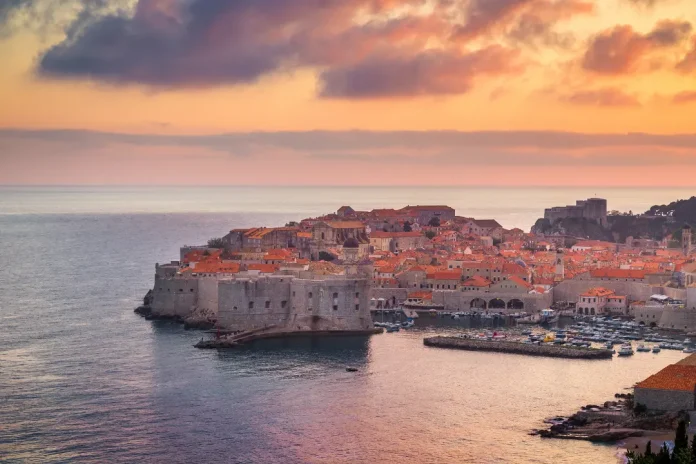
    Built between the 12th and 17th centuries, these walls stretch nearly two kilometers around the Old Town, punctuated by fortresses like Minceta Tower, Bokar, Revelin, and Lovrijenac. They are the most iconic of all Dubrovnik attractions, offering panoramic views of the sea and the red rooftops below. Walking them at sunset is one of the best things to do in Dubrovnik Old Town — a moment when the city glows gold and the Adriatic shimmers with light.

    Entering Through the Gates

    Most visitors enter Old Town Dubrovnik through the Pile Gate, the grand western entrance built in the 15th century. As you cross the stone bridge and pass the statue of Saint Blaise — the city’s patron saint — you immediately step into a different world. The modern hum of traffic fades, replaced by the rhythm of footsteps on polished limestone streets and the distant chime of church bells.

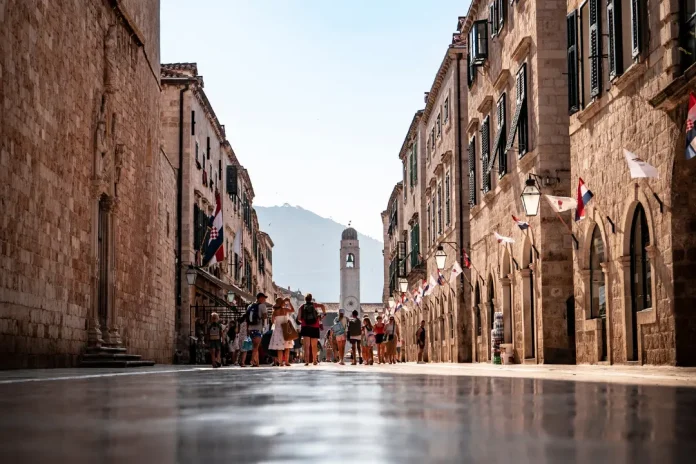
    Inside, Stradun (also called Placa) stretches straight through the center of the Old Town. This main street is lined with Renaissance buildings, small shops, and lively cafés. It’s the perfect place to begin your walking tour, and you can imagine how centuries ago it served as the main marketplace and gathering spot for Dubrovnik’s citizens.

    Architectural Treasures and Landmarks

    As you wander through Old Town Dubrovnik, history surrounds you at every turn. Onofrio’s Fountain, built in 1438, still provides cool drinking water to thirsty travelers. Just opposite stands the Franciscan Monastery, home to one of Europe’s oldest working pharmacies, dating back to 1317 — a true living relic.

    Walk a few minutes further and you’ll reach Luža Square, the cultural and political heart of the city. Here you’ll find some of Dubrovnik’s most impressive landmarks:

    • Rector’s Palace, once the seat of government for the Republic of Ragusa, now a museum filled with art and historic artifacts.
    • Sponza Palace, a stunning Gothic-Renaissance building that once served as a customs house and now preserves Dubrovnik’s ancient archives.
    • Church of St. Blaise, dedicated to the city’s protector, whose statue greets visitors from every gate and tower.
    • The Dubrovnik Bell Tower, where bronze figures strike the hours as they have for centuries.

    Each of these monuments tells a story of resilience, artistry, and faith — threads that weave together to form the soul of Dubrovnik.

    Hidden Alleys and Local Life

    Beyond the grand monuments, what truly makes Old Town Dubrovnik magical are its side streets and quiet corners. Slip away from Stradun and you’ll find yourself in narrow lanes where laundry flutters above you, cats bask in the sun, and locals greet each other over stone balconies.

    Here you’ll discover family-run restaurants serving seafood caught that very morning, small artisan shops, and cozy wine bars tucked beneath ancient arches. For a special treat, follow the signs to Buza Bar, a cliffside café perched outside the walls — the perfect spot to sip a cocktail while watching the sunset over the Adriatic.

    Churches, Museums, and Music

    Old Town Dubrovnik is also a city of culture and spirituality. Don’t miss the Dubrovnik Cathedral, rebuilt in Baroque style after the 1667 earthquake, with its magnificent dome and treasury of sacred relics. The Dominican Monastery, with its peaceful cloister and art collection, offers another quiet escape from the crowds.

    If you’re an art or history lover, visit the Maritime Museum inside St. John’s Fortress to learn how Dubrovnik’s sailors and merchants connected the Adriatic to the world. Music lovers can catch performances during the Dubrovnik Summer Festival, when concerts and plays fill the streets and squares with life.

    Following in Famous Footsteps

    Modern visitors may recognize parts of Old Town Dubrovnik as King’s Landing from Game of Thrones. Walking through Pile Gate, Fort Lovrijenac, or the Jesuit Stairs feels like entering the show itself. Many guided tours highlight these filming locations while blending in centuries of real history — a fun and fascinating mix of fantasy and fact.

    But even without the screen magic, Old Town Dubrovnik stands as a star on its own. The same beauty that attracted filmmakers has captivated travelers for generations.

    Tips for Visiting Old Town Dubrovnik

    • Come early or late: To enjoy the peaceful side of the city, visit early in the morning or around sunset, when cruise crowds fade.
    • Wear good shoes: The marble streets can be slippery, and there are many steps.
    • Bring cash: Small shops and cafés sometimes prefer it.
    • Stay overnight inside the walls: When the day-trippers leave, Old Town becomes quiet, romantic, and atmospheric — like a dream frozen in time.

    Discover More with a Local Guide

    There’s no better way to uncover the stories behind Old Town Dubrovnik than with someone who lives and breathes its history. As a local tourist guide, I can take you beyond the surface — through hidden alleys, forgotten legends, and viewpoints most visitors miss. Whether you’re passionate about history, photography, or food, I’ll tailor your Dubrovnik walking tour to your interests and pace.

    Let me show you where sailors once traded silk for spices, where noble families plotted diplomacy, and where the heartbeat of Dubrovnik still echoes today.

    Book your private guided tour of Old Town Dubrovnik and experience this ancient city like a local — one story, one step, and one breathtaking view at a time.

    How to Get to Dubrovnik, Croatia by Plane: Your Complete Guide to Dubrovnik Croatia Flights

    0
    Dubrovnik flight

    If you’re dreaming of turquoise seas, medieval walls, and Mediterranean sunshine, Dubrovnik, Croatia is likely at the top of your travel list. But before you stroll through the stunning Old Town or sip wine along the Adriatic coast, you need to know the best way to get there. Luckily, reaching this southern Croatian gem is easier than ever thanks to a growing number of Dubrovnik Croatia flights from across Europe and beyond.

    In this guide, we’ll walk you through everything you need to know — from flight options and airlines to airport transfers and insider travel tips.

    Where Is Dubrovnik Located?

    Dubrovnik sits at the very southern tip of Croatia, hugging the Adriatic coastline near the borders of Montenegro and Bosnia and Herzegovina. Its unique geography — surrounded by mountains and sea — means that flying into Dubrovnik is often the fastest and most convenient travel option.

    The city’s main airport, Dubrovnik Airport (DBV), is located about 20 kilometers (roughly 12 miles) southeast of the Old Town, near the village of Čilipi. Despite its small size, it’s one of the busiest airports in Croatia, especially during summer when the city welcomes millions of visitors.

    Direct Flights to Dubrovnik, Croatia

    If you’re wondering about direct flights to Dubrovnik Croatia, the good news is that the city is well connected to major European hubs. During the high season (April to October), many airlines offer nonstop routes from cities such as:

    • London – British Airways, EasyJet, Ryanair, Jet2, and Wizz Air
    • Paris – Air France, Transavia, and Croatia Airlines
    • Rome and Milan – ITA Airways, Ryanair, and Vueling
    • Frankfurt and Munich – Lufthansa, Eurowings, and Croatia Airlines
    • Amsterdam – KLM and EasyJet
    • Madrid and Barcelona – Iberia, Vueling, and Ryanair
    • Vienna, Zurich, and Geneva – Austrian Airlines and Swiss Air
    • Warsaw, Prague, and Budapest – LOT, Smartwings, and Wizz Air

    From other continents, there are no direct intercontinental flights to Dubrovnik at the moment, but connecting through a major European airport makes the journey smooth and convenient.

    Connecting Flights to Dubrovnik

    If you’re flying from the United States, Canada, or Australia, the easiest way to reach Dubrovnik is to book a connecting route through major European hubs such as London Heathrow, Frankfurt, Munich, Paris Charles de Gaulle, or Istanbul.

    For example:

    • From New York, you can fly via Frankfurt with Lufthansa or via London with British Airways.
    • From Toronto, Air Canada connects through Zurich or Munich.
    • From Sydney or Melbourne, the fastest options usually connect through Doha (Qatar Airways), Istanbul (Turkish Airlines), or Frankfurt.

    Once in Europe, you’ll find plenty of short, budget-friendly flights to Dubrovnik that take between one and three hours.

    When to Book Dubrovnik Croatia Flights

    Because Dubrovnik is a highly sought-after destination, airfare can vary depending on the season.

    • High Season (June–September): Expect higher prices and more crowded flights, especially in July and August. Booking 2–3 months in advance is highly recommended.
    • Shoulder Season (April–May & October): Often the best balance — cheaper tickets, mild weather, and fewer crowds.
    • Low Season (November–March): Limited flight schedules, but great deals if you don’t mind cooler weather and quieter streets.

    Using flight comparison tools like Google Flights or Skyscanner can help you track prices and find the best deals for Dubrovnik Croatia flights year-round.

    Arriving at Dubrovnik Airport (DBV)

    When your plane lands at Dubrovnik Airport, you’ll immediately notice its modern design and stunning location surrounded by mountains and sea views. The airport has been renovated and expanded in recent years, offering cafes, duty-free shops, ATMs, and car rental desks.

    After you clear customs, several convenient transfer options will take you into the city:

    1. Airport Shuttle Bus

    The most popular choice is the Platanus Airport Shuttle, which runs regularly after every arriving flight. The bus stops at Pile Gate (the main entrance to Dubrovnik’s Old Town) and at the central bus station in Gruž. The trip takes around 30–40 minutes and costs about €10.

    2. Taxi or Private Transfer

    Taxis and private transfers are available right outside the terminal. A taxi to the Old Town usually costs between €35 and €45, depending on traffic. Pre-booked private transfers can be slightly cheaper and more comfortable, especially if you’re traveling with luggage or as a group.

    3. Car Rental

    If you plan to explore beyond Dubrovnik — perhaps day trips to Montenegro, Cavtat, or the Pelješac Peninsula — renting a car directly at the airport is convenient. Just keep in mind that parking inside Dubrovnik can be limited and expensive.

    Tips for Stress-Free Dubrovnik Travel

    • Check baggage limits: Budget airlines often charge extra for checked bags, so double-check your fare before booking.
    • Plan transfers ahead: During peak summer months, queues for taxis can be long — booking a transfer in advance saves time.
    • Download offline maps: Wi-Fi at the airport is free but spotty in some areas. Having maps ready ensures an easy arrival.
    • Allow time for customs: Croatia is part of the EU but not in the Schengen Zone (yet), so passport checks may take longer for non-EU travelers.

    Make the Most of Your Arrival

    Flying into Dubrovnik isn’t just convenient — it’s breathtaking. As your plane descends, you’ll see the glistening Adriatic coastline, tiny islands, and the red rooftops of the Old Town spread out below. It’s one of the most scenic landings in Europe.

    Once you arrive, a whole world of history, culture, and coastal charm awaits — from the ancient city walls to Lokrum Island, from hidden beaches to cliffside bars.

    Travel with a Local Touch

    If you’d like to start your trip with local insight, why not explore Dubrovnik with a professional tourist guide? After your Dubrovnik Croatia flight, I can meet you right at your hotel or the airport and take you on a private walking tour through the Old Town — sharing stories, legends, and tips that you won’t find in any guidebook.

    Experience Dubrovnik not just as a destination, but as a living story.
    Book your guided tour today, and make your arrival in Dubrovnik the first chapter of an unforgettable adventure.

    Day Trip in Dubrovnik – What You Must Not Miss

    0
    Dubrovnik guide

    Dubrovnik, often called the Pearl of the Adriatic, is one of the most captivating cities in Europe. Whether you’re arriving by cruise ship or staying nearby, a day trip to Dubrovnik is enough to experience its magic — if you know where to go. From the iconic city walls to hidden alleys and filming locations, here’s what you must not miss on your perfect day in Dubrovnik.

    Walk the Famous City Walls

    No visit to Dubrovnik is complete without a walk along its ancient city walls. Built between the 12th and 17th centuries, they offer breathtaking views of the Old Town and the Adriatic Sea. Start early in the morning to avoid the heat and crowds, and don’t forget your camera — every corner looks like a postcard!

    Pro tip: Hire a local Dubrovnik guide to uncover hidden stories and secret spots along the walls that most tourists never notice.

    Explore the Old Town

    Step inside the UNESCO-listed Old Town, where marble streets, baroque churches, and Renaissance palaces tell centuries of history. Stroll down Stradun, the main street, and discover landmarks such as the Rector’s Palace, Franciscan Monastery, and Sponza Palace.

    If you’re a Game of Thrones fan, this is also your chance to spot filming locations of King’s Landing — ask your guide to show you the exact spots!

    Taste Local Flavors

    After sightseeing, take a break at a cozy local restaurant. Try black risotto, Dalmatian prosciutto, or a glass of Pelješac red wine. Dubrovnik’s culinary scene is rich in Mediterranean flavors, and your guide can help you find the most authentic, non-touristy spots.

    Take a Kayak or Boat Tour

    If time allows, see the city from the sea! A short kayak or boat trip around the city walls or to Lokrum Island offers a completely new perspective of Dubrovnik’s beauty. Many tours include a swim in hidden caves or a sunset view that you’ll never forget.

    Discover the Magic After Sunset

    If your day extends into the evening, stay to experience the city’s night charm. The Old Town glows with warm lantern light, and the atmosphere becomes calm and romantic. It’s the perfect ending to your Dubrovnik adventure.

    Why You Should Hire a Local Guide

    A local guide turns your Dubrovnik day trip from simple sightseeing into a living story. They know the legends, secret corners, and best viewpoints — and they’ll help you make the most of your limited time. Whether you’re into history, filming locations, food, or hidden gems, a professional guide can tailor the experience just for you.

    Book your local Dubrovnik guide today and discover the city through the eyes of someone who truly knows it.

    Best Beaches in Dubrovnik: Discover the Adriatic’s Hidden Gems

    0
    Dubrovnik beach

    Dubrovnik, often called the “Pearl of the Adriatic,” is one of Croatia’s most breathtaking coastal destinations. Known for its medieval Old Town and stunning stone walls, this UNESCO World Heritage site also boasts some of the most beautiful beaches on the Adriatic Sea. Whether you prefer lively beach clubs, secluded coves, or soft sandy shores, the beaches in Dubrovnik offer something for everyone.

    In this guide, we’ll explore the best beaches in Dubrovnik, where to find them, what makes each one special, and why they’re must-visit spots on your next trip to Croatia.

    1. Banje Beach – The Iconic City Beach

    Just a short walk from Dubrovnik’s Old Town, Banje Beach is the most famous and most photographed beach in the city. With its crystal-clear turquoise waters and direct views of the city walls and Lokrum Island, Banje offers the perfect mix of beauty and convenience.

    The beach itself is a mix of pebbles and fine sand, ideal for sunbathing and swimming. Visitors can rent sunbeds and umbrellas, enjoy cocktails at the stylish Banje Beach Club, or try water sports like jet skiing and parasailing.

    At sunset, the atmosphere transforms – beachgoers trade swimsuits for evening wear as the club turns into a lively seaside bar, offering music, food, and an unbeatable view of Dubrovnik lit up at night.

    2. Sveti Jakov Beach – A Hidden Paradise

    Just beyond Banje Beach, about a 20-minute walk or a quick drive from the city center, lies Sveti Jakov Beach, a peaceful haven away from the crowds. Tucked below a cliff and surrounded by lush greenery, this pebbled beach offers tranquility and stunning views of the Old Town from afar.

    The descent involves several stone steps, but the reward is worth it. Sveti Jakov is less crowded than central beaches, making it perfect for couples and travelers seeking relaxation. The beach has a small bar and restaurant, as well as kayak and paddleboard rentals.

    If you’re looking for a romantic and quiet escape, Sveti Jakov is one of Dubrovnik’s most beautiful and serene beaches.

    3. Copacabana Beach – Family Fun and Adventure

    Located in the Babin Kuk area on the Lapad Peninsula, Copacabana Beach is a modern and family-friendly beach perfect for all ages. Despite sharing its name with the famous Brazilian beach, Dubrovnik’s Copacabana has its own unique charm.

    The beach features white pebbles, clear shallow waters, and plenty of amenities – including restaurants, beach bars, and a playground. It’s one of the best places for water sports in Dubrovnik, with options like kayaking, parasailing, and even sea inflatables for kids.

    Copacabana Beach also offers a more accessible experience for people with disabilities, with ramps and walkways that make entering the sea easier. Families, groups of friends, and adventure seekers will all find something to love here.

    4. Lapad Beach – Relaxed Vibes and Stunning Sunsets

    In the heart of the Lapad Bay, about 3 km from the Old Town, lies Lapad Beach, one of Dubrovnik’s most popular local hangouts. This long pebble beach is surrounded by cafes, restaurants, and a beautiful seaside promenade lined with palm trees.

    Lapad is a great spot for families thanks to its calm waters and easy access to facilities. You can rent sun loungers, try paddleboarding, or simply enjoy a coffee at one of the beachside terraces while watching the waves.

    As the day winds down, Lapad becomes one of the best places in Dubrovnik to watch the sunset over the Adriatic Sea – a truly unforgettable experience.

    5. Coral Beach Club – Luxury by the Sea

    If you’re after a touch of luxury, Coral Beach Club, located between Copacabana and Cava Beach, is your go-to spot. This elegant beach club combines natural beauty with modern comfort, offering plush sunbeds, cabanas, fine dining, and a chill-out lounge atmosphere.

    Set against the stunning backdrop of the Elaphiti Islands, Coral Beach is perfect for travelers who enjoy a more upscale beach day. During the day, it’s a peaceful retreat for sunbathing and swimming; by evening, it turns into a sophisticated nightlife venue with live DJs and cocktails.

    6. Cava Beach – Trendy and Peaceful

    Adjacent to Coral Beach Club, Cava Beach is another hidden treasure of Dubrovnik’s Lapad area. With fewer crowds and a relaxed atmosphere, it’s an excellent choice for those seeking tranquility.

    Cava’s mix of rocky and pebbly terrain gives it a natural, rugged charm, while the clear waters are ideal for swimming and snorkeling. The beach is also known for its stunning sunsets and laid-back vibe, making it a favorite among locals and travelers alike.

    7. Lokrum Island – Nature and Nudist Beaches

    Just a 15-minute ferry ride from Dubrovnik’s Old Port, Lokrum Island offers a completely different beach experience. This lush, green island is a nature reserve filled with pine trees, botanical gardens, and peacocks – and it’s surrounded by rocky beaches with pristine waters.

    Most of the swimming spots on Lokrum are rocky platforms with ladders leading into the sea, providing excellent conditions for snorkeling. On the southern side of the island, there’s a designated nudist beach (FKK) area, one of the most famous naturist spots in the Dubrovnik region.

    Lokrum is perfect for a day trip combining swimming, hiking, and exploring the island’s historic monastery and saltwater lake known as the “Dead Sea.”

    Tips for Visiting Beaches in Dubrovnik

    • Bring water shoes: Many Dubrovnik beaches are pebbly or rocky. Water shoes make it easier to walk and swim comfortably.
    • Arrive early: Popular beaches like Banje and Lapad can get crowded, especially during July and August.
    • Use public transport: Parking near the beaches is limited. Dubrovnik’s bus system makes it easy to reach most seaside areas.
    • Stay hydrated and wear sunscreen: The Adriatic sun can be strong, so be sure to protect your skin and stay cool.
    • Explore beyond the Old Town: Some of Dubrovnik’s most beautiful beaches are in Lapad, Babin Kuk, and nearby islands.

    The Best of Dubrovnik’s Coastline

    From lively beach clubs to peaceful hidden coves, Dubrovnik’s beaches showcase the very best of the Adriatic Sea. Whether you’re planning a romantic getaway, a family vacation, or an adventure-filled trip, you’ll find a beach that perfectly matches your mood.

    So, pack your swimsuit, grab your sunscreen, and get ready to experience the best beaches in Dubrovnik, Croatia — where the sea sparkles like crystal, the sun shines bright, and every moment feels like a postcard come to life.

    From Fire to Freedom: The Story of Dubrovnik and the Yugoslav Wars

    0
    Dubrovnik

    Dubrovnik, today one of the world’s most beautiful coastal cities, hides behind its shining stone walls a powerful story of resilience and survival. While millions of travelers come to admire its baroque architecture, crystal-clear sea, and cinematic charm, few truly understand how close this city once came to destruction.

    The early 1990s marked one of the darkest chapters in Dubrovnik’s long and proud history. As Yugoslavia disintegrated, Dubrovnik — a city known for peace, culture, and diplomacy — became a battlefield. Yet from the ashes of war, it rose stronger than ever, becoming a global symbol of restoration and cultural endurance.

    This is the story of Dubrovnik during the war and the breakup of Yugoslavia — a story worth hearing and remembering.

    Before the War: A City of Peace and Beauty

    Before the 1990s, Dubrovnik was a peaceful jewel of the Adriatic. Its history stretched back more than a thousand years, once as the proud Republic of Ragusa, an independent maritime power known for its diplomacy and trade.

    By the 20th century, Dubrovnik had become part of socialist Yugoslavia — a federation of six republics led by Josip Broz Tito. Life in Dubrovnik was relatively calm and prosperous, especially thanks to tourism. By the 1980s, the city welcomed hundreds of thousands of visitors each year, known for its tolerance, multiculturalism, and elegant charm.

    But when Tito died in 1980, nationalist tensions began to rise across Yugoslavia. By the early 1990s, the unity of the federation was crumbling.


    The Outbreak of the War

    In 1991, Croatia declared its independence from Yugoslavia. Soon after, fighting erupted across the country as the Yugoslav People’s Army (JNA), dominated by Serbian leadership, attempted to prevent the breakup.

    Although Dubrovnik had no military bases or strategic importance, it became a target. On October 1, 1991, the siege of Dubrovnik began. The JNA and Montenegrin forces surrounded the city by land and sea, cutting off electricity, water, and communications.

    The attack shocked the world. How could a UNESCO World Heritage Site, a city of art and diplomacy, be bombed in modern Europe?


    The Siege and the Bombardment

    For nearly eight months, Dubrovnik was under siege. The city’s defenders — mostly local volunteers — were vastly outnumbered and poorly armed, but their spirit never wavered.

    On December 6, 1991, Dubrovnik suffered one of the heaviest attacks. Over 2,000 shells rained down on the Old Town, setting buildings on fire and damaging over two-thirds of its famous red rooftops. The Rector’s Palace, Sponza Palace, and Franciscan Monastery were hit. Yet the ancient city walls — symbols of Dubrovnik’s strength — stood firm.

    Despite the destruction, the residents refused to abandon their home. They hid in basements, shared scarce food and water, and helped one another survive.

    International journalists documented the siege, and their reports brought Dubrovnik’s tragedy to global attention. UNESCO and the world community condemned the attacks, calling them an assault on cultural heritage and humanity itself.


    Liberation and the End of the Siege

    In May 1992, Croatian forces managed to lift the siege and regain control of the surrounding area. The war, however, continued elsewhere in Croatia and Bosnia until the Dayton Agreement in 1995.

    Dubrovnik emerged from the conflict scarred but unbroken. Out of 824 historic buildings in the Old Town, more than 600 had been damaged. Yet within months, restoration work began — led by local artisans, architects, and UNESCO experts.

    The effort to restore Dubrovnik became one of the most successful examples of cultural reconstruction in modern history. Each replaced roof tile, carefully crafted to match the original, became a symbol of hope.

    Rebuilding a City and Its Spirit

    The post-war years were not easy. Tourism, once the lifeblood of Dubrovnik, had vanished. The economy struggled, and emotional wounds ran deep. But Dubrovnik’s citizens never gave up.

    By the early 2000s, the Old Town had been completely restored, its marble streets shining once again. In time, the world returned — first a few curious travelers, then cruise ships, and finally, international film crews.

    When HBO’s Game of Thrones chose Dubrovnik as the setting for King’s Landing, millions saw the city not as a symbol of destruction, but as a symbol of grandeur and survival.

    Dubrovnik Today: Memory and Meaning

    Today, Dubrovnik stands proud — not only as a tourist paradise, but also as a living monument to peace. The scars of war are still visible if you know where to look. At the War Photo Limited Gallery, visitors can see powerful images documenting the conflict. The Homeland War Museum, located in Fort Imperial on Mount Srđ, offers a panoramic view of the city below and a moving tribute to those who defended it.

    Walking through the Old Town, it’s hard to imagine that these polished stones once echoed with explosions. Yet that contrast is what makes Dubrovnik so unique — it’s a place where beauty and tragedy coexist, where every wall tells a story of resilience.

    Understanding Dubrovnik Through Its History

    To truly understand Dubrovnik, you need to go beyond its picture-perfect façades. The city’s soul is shaped by its history — from centuries of diplomacy to the horrors of war and the triumph of rebuilding.

    A local Dubrovnik guide can help you uncover the layers of this history:

    • Hear firsthand stories from the siege and what life was like under bombardment.
    • Visit key war sites and learn about the restoration process.
    • Discover how the breakup of Yugoslavia shaped modern Croatia.

    History is not just something to read about — in Dubrovnik, it’s something you can feel.

    A City That Chose Life Over Hate

    Perhaps the most remarkable thing about Dubrovnik’s story is its refusal to give in to bitterness. The city chose reconciliation, culture, and life over revenge. Today, it welcomes visitors from all over the world, including those from the very regions involved in its destruction.

    Dubrovnik’s greatest victory is not military — it’s moral. It’s a triumph of civilization over chaos, of art over violence, of humanity over hate.

    Plan Your Visit: Learn, Remember, Experience

    If you’re planning to visit Dubrovnik, take the time to look beyond the postcard views. Explore the museums, the fortresses, and the memorials. Walk the same walls that once shielded the city from fire, and let your guide bring the past to life with stories of courage and hope.

    Book a local Dubrovnik guide today and experience a city that survived war, rebuilt itself, and now shines brighter than ever — not just as a destination, but as a symbol of peace and resilience.